

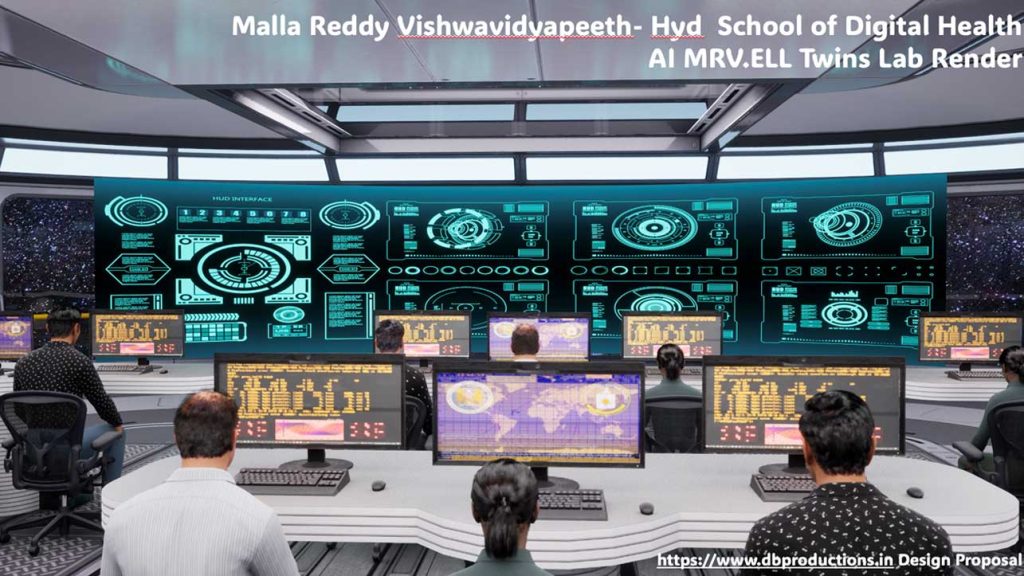
At MRV.ELL Twins Lab we are working towards creating Digital Twins (DT): Of a district with a million people, features as layers and simulating disease, facility and supply chain distribution; Of a 500 bedded hospital mapping the people, data and service flow and Of a human body with all organs and other available info from the available CT/ MRI images. Digital Twin (DT) is a concept widely used in industry to create digital replicas of physical objects or systems. The dynamic, bi-directional link between the physical entity and its digital counterpart enables a real-time or simulated update of the digital entity. These digital replicas have characteristics similar to those of the real entity, which enable predictions and simulations of the physical, biological, electrical, data processes or even disease states using data collected from the real entity. The physical and virtual entities communicate via a physical-to-virtual connection to allow continuous update of the parameters that reflect the state of the physical entity. In essence, DT represents a virtual representation where operational, clinical and medical decisions can be designed, simulated, optimised, tested before application in the real life setting, making personalised medicine, an optimised hospital or a living ecosystem that enables long life.
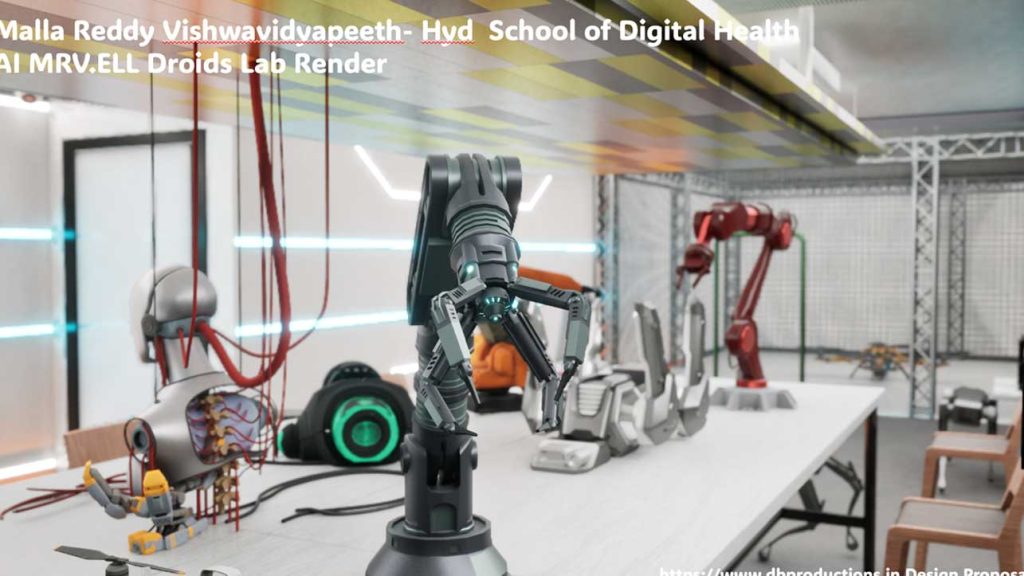
At MRV.ELL Droids Lab we are working towards training how to operate existing humanoids for health care use cases like being a physician assistant to measure vital signs, dentist assistant for primary care procedures, patient assistant for hospital navigation, patient movement support – to and from ambulances, bedside helpful arm, as a transport intermediate between drone and hospital. Also we are working with exoskeletons for rehabilitation support, enhancing human functions. We are building AI algorithms for automating part or most of the use cases. Alongside we will design, develop, modify, build original components of humanoids for new use cases or for further customization Humanoids are advanced robotic machines capable of emulating human actions, limited reasoning, and operations. They represent the convergence of technologies like AI, biomechanics, machine learning, and sensor connectivity with learning, cognitive development, and behavioral studies. Humanoids are crafted to mimic the human shape, aligning with the human-centric design of our world, from tools to building to homes. This not only is meant to facilitate their seamless integration into our environment, but a robot that resembles a human might gain quicker social acceptance compared to a radically different form. The potential market opportunity for humanoids is massive, and it’s accelerating, especially in Healthcare.
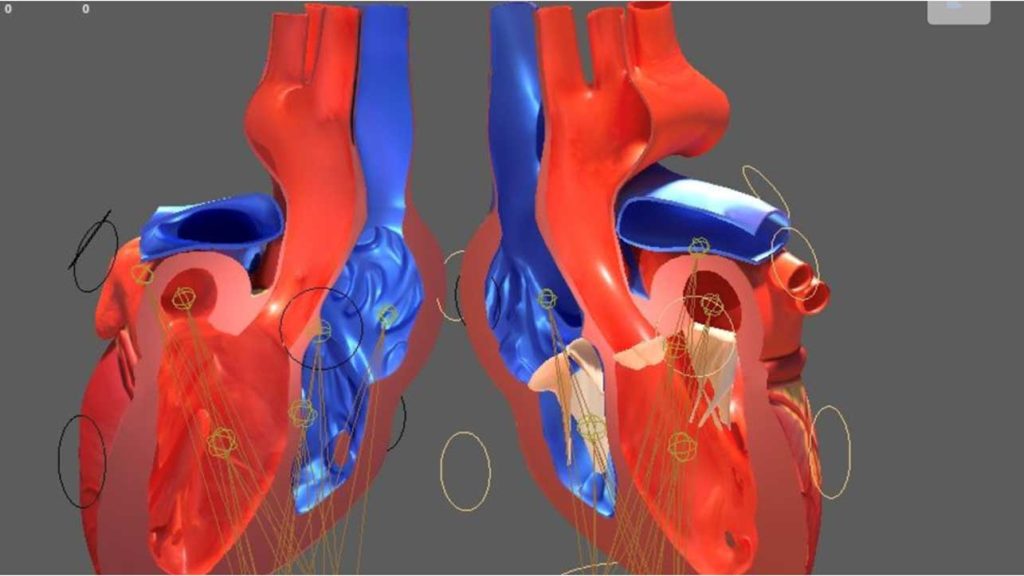
At MRV.ELL 360 Immersive Lab will be an extension of the Twins lab….by visualising and interacting in 3D with the Digital Twins (DT): Of a district with a million people, features as layers and simulating disease, facility and supply chain distribution; Of a 500 bedded hospital mapping the people, data and service flow and Of a human body with all organs and other available info from the available CT/ MRI images and extending our work to spatial computing. Immersive technologies is a term for technologies that enhance or replace our view of the world encompassing augmented reality (AR), virtual reality (VR), and mixed reality (MR). Immersive technologies offer several advantages compared to other devices, including:
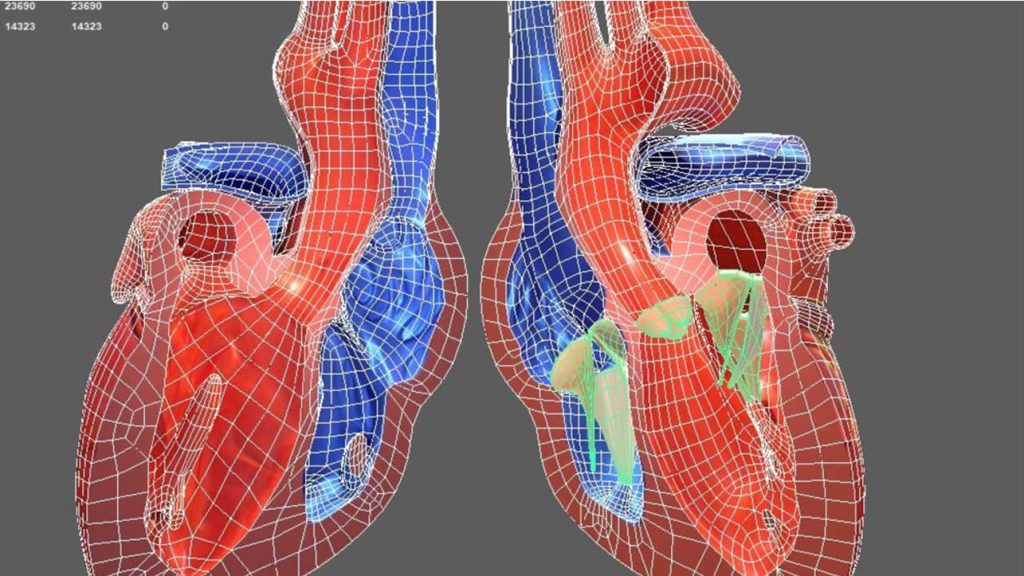
At MRV.ELL Living Lab our focus is on a key issue of today – siloed data, whether its personal data, data inside an organization, or data sharing across different organizations. Data discovery and integration is difficult and presents complex technical, organizational and policy challenges. A Living Lab allows MRV to be a microcosm for many big data efforts. Living labs is developing a scalable data management platform, allowing us to collect and integrate multiple types of data including: personal data or “small data” (collected by smart phones, activity tracking devices, or new wearable sensors); MRV data (wifi data, campus maps, event data etc); as well as external data types (social media data, transportation data, weather, city data etc). One of our goals is to work with MRV and MRU, in opening up repositories of information on campus that contain the data needed to discover valuable new insights about important topics such as wellness, innovation, learning, optimising services and sustainability. MRV is well positioned to take a leadership role in demonstrating not only how organizations can leverage data in the future, but how we collect, manage, and use personal information, from setting appropriate privacy policies to demonstrating systems that can implement it in practice.