



How Digital Dentistry is Revolutionizing Dental Education in India
School of Dental Sciences & Technology Gone are the days when dentistry was limited to manual impressions and analog x-rays. With the rise of digital dentistry, students in India are now learning with tools that mirror modern clinical practice. From CAD/CAM design to 3D printing and virtual simulations, digital dentistry is transforming how future dentists are trained. Learn more about MRV’s Digital Dentistry Programs. Introduction to Intraoral Scanners and Digital ImpressionsDental students no longer need to rely solely on physical molds. Intraoral scanners allow accurate 3D imaging of a patient’s mouth, making diagnosis and treatment planning more efficient and patient-friendly. CAD/CAM in Real-Time RestorationsComputer-aided design and manufacturing let students design crowns, bridges, and veneers digitally. They can visualize the entire process and produce restorations using milling machines, making lab time more productive. Integration of 3D PrintingFrom aligners to dentures, 3D printers have entered the dental lab space. Students now create models and appliances faster, gaining exposure to a technology-driven workflow from the start. See how 3D printing is used in dental training. Virtual Reality (VR) in Dental SimulationDental simulators with VR provide immersive learning environments. Students practice procedures in real time, receive instant feedback, and repeat difficult cases to build confidence. Improved Accuracy and Patient OutcomesDigital methods offer higher precision and reduce error margins in treatment, leading to better patient outcomes. For students, this means learning standards that align with global best practices. Industry-Relevant Training from Day OneInstitutions like MRV Hyderabad are embedding digital dentistry into the core curriculum—equipping students with industry-ready skills before they graduate. ConclusionDigital dentistry isn’t just a trend—it’s the new standard. With cutting-edge labs, simulation tools, and real-world applications, dental education in India is poised for a digital transformation. Students who embrace this shift will be tomorrow’s leaders in advanced dental care. Learn more at School of Dental Sciences & Technology. Continue reading
Knowledge and Skills after BDS
Knowlege and Skills after BDS 1. Fundamental Biomedical Sciences Graduates must demonstrate in-depth understanding of: Human Anatomy and Histology: Including craniofacial structures, head and neck anatomy, dental anatomy, neuroanatomy, and musculoskeletal systems relevant to dental practice. Human Physiology and Biochemistry: Emphasizing homeostasis, fluid-electrolyte balance, salivary and endocrine function, and biochemical pathways of relevance to oral health. General and Oral Pathology: Recognition of pathological changes in tissues, with a focus on oral manifestations of systemic diseases, neoplasia, inflammation, and immune response. Microbiology and Immunology: Including oral microbiota, pathogenesis of dental caries and periodontal disease, sterilization, cross-infection control, and immunological basis of oral diseases. 2. Dental Material Sciences Comprehensive knowledge of the physical, chemical, and biological properties of dental materials (e.g., amalgam, composites, glass ionomer cements, ceramics, and biomaterials). Scientific rationale behind selection and manipulation of materials in clinical settings. 3. Clinical Dental Sciences Graduates should exhibit competence in the diagnosis, prevention, and management of orofacial diseases, encompassing: a. Conservative Dentistry and Endodontics Scientific principles of cavity preparation, restoration of teeth, and pulpal therapies. Use of modern diagnostic aids (e.g., apex locators, CBCT) and materials (e.g., MTA, bioceramics). b. Oral and Maxillofacial Surgery Basic surgical principles including exodontia, management of maxillofacial trauma, infections, preprosthetic surgery, and surgical pathology. Application of pharmacological knowledge for pain control, anesthesia, and sedation. c. Periodontology Periodontal anatomy and pathogenesis of periodontal diseases. Therapeutic procedures including scaling, root planing, and periodontal flap surgeries. d. Prosthodontics Principles of occlusion, biomechanics of prosthesis, and clinical application of complete and partial dentures, fixed prosthodontics, and implant-supported restorations. e. Orthodontics Principles of growth and development, biomechanics of tooth movement, and diagnosis of malocclusion. f. Pedodontics Pediatric oral healthcare, behavior management, pulp therapy in primary teeth, and preventive interventions. 4. Diagnostic Sciences and Radiology Proficiency in diagnostic protocols, differential diagnosis, and use of imaging modalities (intraoral periapical radiographs, panoramic imaging, cephalometric analysis). Radiation physics, safety, and regulatory protocols. 5. Public Health and Preventive Dentistry Principles of dental epidemiology, biostatistics, and health promotion. Implementation of oral health surveys, community-based prevention programs, school health education, and application of fluoridation methods. 6. Patient-Centered Care and Clinical Decision-Making Ability to integrate clinical data, diagnostic findings, and evidence-based guidelines to formulate treatment plans. Management of medically compromised patients and dental emergencies. 7. Ethics, Jurisprudence, and Professionalism Informed consent, patient confidentiality, medico-legal documentation. Familiarity with dental ethics, forensic odontology, and regulatory frameworks such as the Dental Council of India (DCI) guidelines and Indian Penal Code relevant to clinical practice. 8. Research Orientation and Evidence-Based Practice Fundamental understanding of research methodology, critical appraisal of scientific literature, and application of evidence-based decision-making. Preparation for higher studies, including Master’s degrees (MDS), licensing exams (e.g., NEET MDS, NBDE, ORE), and academic or clinical research pathways. I. Cognitive Competencies (Knowledge-Based) 1. Foundational Biomedical Knowledge Understand the anatomy, physiology, and biochemistry of the human body with relevance to oral health. Describe pathology and microbiology as they relate to oral and systemic diseases. Comprehend pharmacological principles, drug interactions, and emergency drug use. 2. Oral Disease Recognition Identify etiology, pathology, and progression of dental caries, periodontal disease, malocclusion, and oral cancers. Correlate systemic diseases with oral manifestations. 3. Radiological Interpretation Understand principles of dental radiology. Interpret intraoral and extraoral radiographs for diagnostic purposes. Psychomotor Competencies (Clinical and Technical Skills) 1. Diagnostic and Treatment Planning Take a comprehensive patient history and perform a physical and oral examination. Develop differential diagnoses and evidence-based treatment plans. 2. Restorative Dentistry Perform conservative procedures like cavity preparation, composite/amalgam restoration. Execute root canal treatment of anterior and posterior teeth. 3. Periodontal Therapy Perform scaling, root planing, and basic periodontal surgeries. 4. Prosthodontics Fabricate and deliver complete dentures, removable partial dentures, and fixed prostheses. Record accurate impressions and jaw relations. 5. Oral Surgery Perform uncomplicated tooth extractions. Assist in minor surgical procedures (e.g., flap surgeries, biopsies). 6. Pediatric Dentistry Conduct behavior management and provide preventive and therapeutic care to children. Perform pulp therapy and space maintenance in pediatric patients. 7. Orthodontic Skills Recognize malocclusions and apply basic interceptive orthodontic treatments. 8. Community Dentistry Participate in oral health camps, school dental programs, and community fluoride applications. Perform surveys and analyze oral health data. III. Affective Competencies (Attitudes and Communication) 1. Ethics and Professionalism Demonstrate integrity, responsibility, punctuality, and accountability. Maintain patient confidentiality and follow ethical norms in clinical practice. 2. Communication and Counseling Communicate effectively with patients, families, and the healthcare team. Provide education about oral hygiene, tobacco cessation, and dietary counseling. 3. Teamwork and Leadership Collaborate effectively within a dental team and healthcare setting. Exhibit leadership in clinical and outreach settings. Research and Lifelong Learning 1. Evidence-Based Practice Understand research methodology, statistics, and literature review techniques. Critically evaluate scientific publications and apply evidence to clinical decisions. 2. Professional Development Demonstrate the ability to self-assess and improve knowledge and skills continuously. Prepare for postgraduate training, continuing dental education (CDE), and licensing exams. V. Emergency and Safety Competencies Recognize and manage common medical emergencies in a dental setup (e.g., syncope, allergic reactions). Adhere to infection control protocols, biomedical waste management, and sterilization guidelines. Demonstrate cardiopulmonary resuscitation (CPR) proficiency. Here is a structured Competency Matrix for Bachelor of Dental Surgery (BDS) graduates. This matrix organizes the competencies by domains and matches them with the expected levels of mastery using Bloom’s Taxonomy (Knowledge → Comprehension → Application → Analysis → Evaluation → Creation): I. Cognitive Domain – Knowledge & Understanding Competency Description Level of Mastery Human Anatomy & Physiology Understand head, neck, dental anatomy, and systemic physiology Comprehension Oral Pathology & Microbiology Identify etiology and pathology of oral diseases Application Pharmacology Understand drug mechanisms and prescribe rationally Application General Medicine & Surgery Recognize systemic conditions affecting dental care Application Oral Radiology Interpret intraoral and extraoral radiographs Analysis II. Psychomotor Domain – Clinical & Technical Skills Competency Description Level of Mastery Diagnostic Skills Conduct clinical examination, formulate diagnosis Application Conservative Dentistry Restore carious teeth using standard techniques Application Endodontics Perform root canal therapy for anterior/posterior teeth Application Periodontics Perform scaling, root planing, basic periodontal surgery Application Prosthodontics Fabricate
Why Choose a B.Sc. in Dental Technology?
School of Dental Sciences & Technology Why Choose a B.Sc. in Dental Technology ? Where Science Meets Craft—and Changes Lives We all know the importance of a smile. It speaks confidence, comfort, and care. But behind every confident smile lies a great deal of science, precision, and, quite often, the work of a Dental Technologist. While dentists diagnose and treat, dental technologists work silently in the background—crafting crowns, dentures, aligners, and implants that restore both function and beauty. And in today’s world of advanced technology, their role is more vital—and more exciting—than ever. At the School of Dental Sciences and Technology, we are proud to offer a future-forward B.Sc. in Dental Technology, designed for students who want to bring together healthcare, design, and innovation in one meaningful career. What Exactly is Dental Technology? Dental Technology is a unique blend of biomedical science, artistic skill, and digital tools. It involves designing and building dental prostheses—anything from a simple crown to a full set of artificial teeth. With today’s digital advances, dental technologists also work with 3D printing, CAD/CAM systems, intraoral scanners, and virtual design software. Why Should You Consider This Course? 1. A Career that Starts Right After 10+2: You don’t need to wait for a long medical degree to enter this exciting field. Students from BiPC or MPC backgrounds can join after Class 12.2. Learn by Doing: Our program is rich in hands-on training. You’ll work in state-of-the-art labs with CAD/CAM machines and 3D printers.3. A Fast-Growing Job Market: Digital dentistry is becoming the new norm, and professionals who understand this space are highly sought after. What About International Opportunities? Dental Technology is a global profession. Many countries actively recruit dental technologists—especially those trained in digital workflows. Opportunities exist in the Middle East, UK, Europe, Australia, New Zealand, Canada, and the US. Who Is This Course Ideal For? This program is perfect for students who:– Are interested in healthcare but prefer hands-on roles– Enjoy design, precision work, and working with tools or technology– Want a career with stable income and international mobility What Skills Will You Learn? Throughout the course, you’ll build skills in:– Digital prosthetic design– Intraoral scanning and 3D printing– Crown and bridge fabrication– Orthodontic appliances– Dental materials science Looking Ahead: The Future of Dental Technology The field is evolving with innovations in regenerative dentistry, virtual patient modeling, and AI-based design tools. Dental Technology is no longer just about repairing teeth, but about designing the future of oral health. In Conclusion A B.Sc. in Dental Technology offers more than just a degree—it offers a career that combines science, creativity, and compassion. Whether you’re working in a high-tech lab, creating life-changing prosthetics, or launching your own dental design business, this course opens doors to a fulfilling and future-proof profession. Continue reading
Advanced Chromotographic Techniques
CDE Guest Lecture An Academic Engagement for Postgraduates
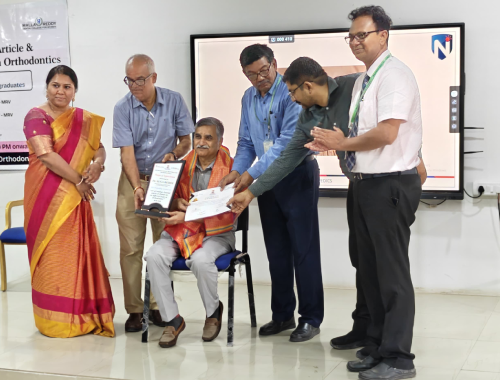
CDE Guest Lecture An Academic Engagement for Postgraduates
Malla Reddy Vishwotsavam
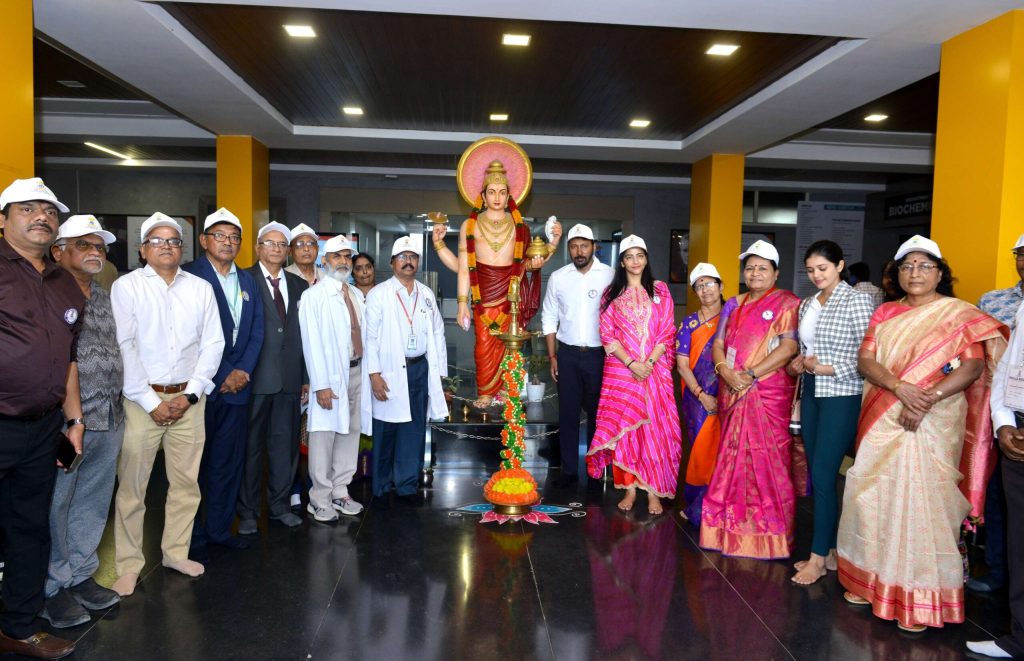
Malla Reddy Vishwothsav – A Celebration of Culture and Talent Malla Reddy Vishwothsav is the flagship cultural and academic festival of Malla Reddy Vishwavidyapeeth (MRV), a reputed deemed-to-be university in Hyderabad, Telangana. This vibrant fest is a dynamic blend of music, dance, drama, literature, innovation, and more — truly a reflection of the youthful spirit and talent nurtured at MRV. Each year, Vishwothsav brings together students from across disciplines to showcase their abilities through competitions, workshops, exhibitions, and live performances. The campus buzzes with energy as traditional art forms meet modern creativity. The 2025 edition, titled “EKATHVA 2025”, was a massive success. One of the highlights was a mesmerizing mass dance performance featuring popular Telugu actor Nithiin, which created a huge buzz on social media. You can watch the electrifying performance on YouTube here. Vishwothsav isn’t just about entertainment – it’s a platform that nurtures leadership, teamwork, and cultural pride. It reflects MRV’s vision of holistic education, where academic excellence goes hand in hand with creative expression. visit the official MRV Website.
Insightful discussions at the Pharmacovigilance Conference!
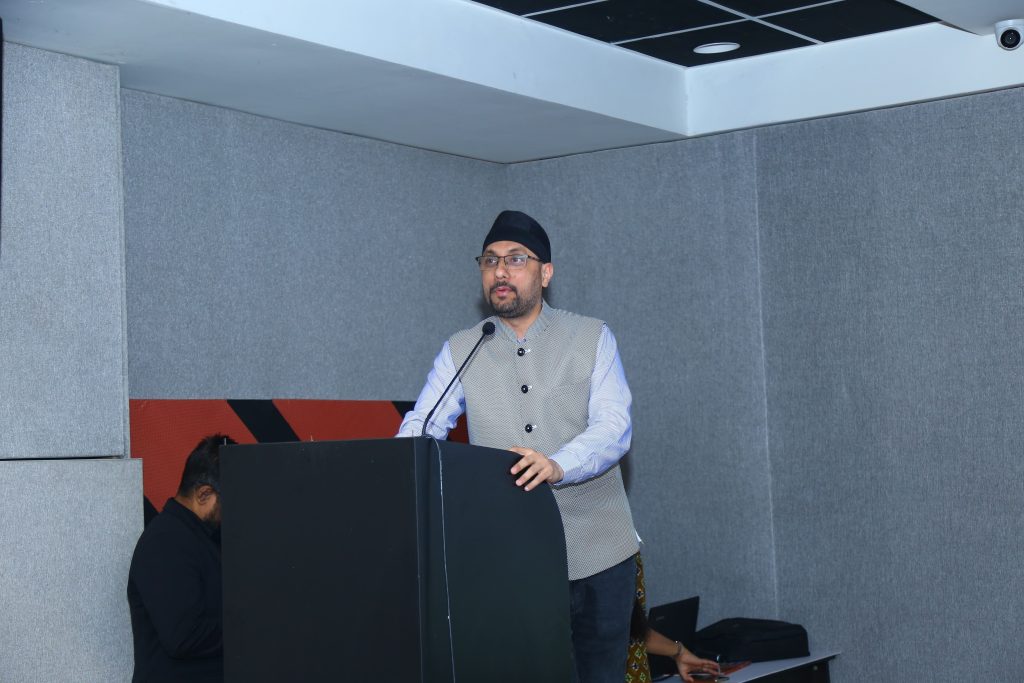
Latest Trends in Pharmacovigilance: Key Insights from the Conference The Conference on Latest Trends & Advancements in Pharmacovigilance at Malla Reddy Vishwavidyapeeth (MRV), Hyderabad, was an insightful event, bringing together experts to discuss the evolving landscape of drug safety and regulatory compliance. Key highlights included:✅ Quality & Compliance – Strengthening safety systems✅ Audit & Inspection Readiness – Meeting regulatory standards✅ Process Enhancements – Adopting new strategies for better outcomes✅ Data Analytics – Leveraging insights for improved vigilance✅ Organizational Development – Training & retaining skilled professionals Special thanks to Dr. GuruPreeth Singh (UK) for sharing his expertise and to all participants for making this event a success! Events like these drive innovation, patient safety, and excellence in healthcare. Special thanks to Dr. GuruPreeth Singh (UK) for sharing his expertise and to all participants for making this event a success! Events like these drive innovation, patient safety, and excellence in healthcare.