

Bachelor of Occupational Therapy (B.OT)

This Course Structure is Curated as per the NEP-2020 Guidelines
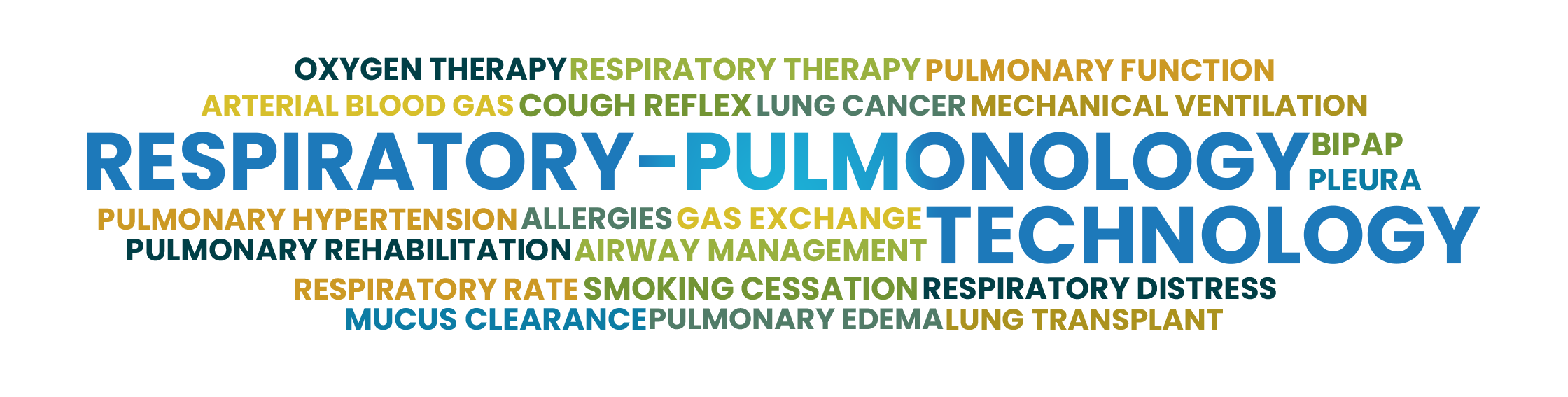
Respiratory Technology is a specialized healthcare field focused on diagnosing, treating, and managing patients with breathing and cardiopulmonary disorders. It plays a critical role in modern medical care by supporting doctors in intensive care units, emergency wards, and pulmonary departments.
Respiratory Technology involves advanced medical techniques and equipment used to assess and the best Respiratory Technology support lung function. Professionals in this field are trained to handle life-saving respiratory devices and provide critical care to patients with breathing in Respiratory Technology difficulties.
Course Overview
Bachelor of Occupational Therapy (B.O.T.) program at Malla Reddy Vishwavidyapeeth, Hyderabad, is an undergraduate healthcare program designed to train students to help individuals of all ages achieve independence and participate effectively in daily activities, education, work, and meaningful occupations.
This program focuses on developing strong theoretical knowledge and practical clinical skills from the early stages of training itself. The curriculum integrates an in-depth understanding of human anatomy, physiology, psychology, pathology, rehabilitation principles, and occupational therapy interventions. Students are trained to assess physical, developmental, neurological, psychological, and functional difficulties and to design individualised therapeutic interventions that improve independence and quality of life.
With practical exposure to clinical and rehabilitation settings, students gain hands-on experience in areas such as paediatric rehabilitation, neurological rehabilitation, mental health, geriatric care, physical rehabilitation, hand and upper-limb rehabilitation, community-based rehabilitation, and activities of daily living (ADL) training. Students are also trained in patient assessment, therapeutic activities, assistive devices, functional rehabilitation, patient education, and interdisciplinary healthcare practices.
Graduates of this program emerge as skilled Occupational Therapists, enabling them to pursue careers in hospitals, rehabilitation centres, paediatric centres, mental health facilities, community health programmes, home-based care, occupational health settings, and academic or research institutions. The program also provides opportunities for higher studies, specialization, research, and professional practice in India and globally.
Job Roles & Progression
| Duration | Roles and Responsibilities | Salary Range |
| 0-3 years | Junior Occupational Therapist, Occupational Therapist, Rehabilitation Therapist | ₹2,50,000 – ₹4,50,000 per annum |
| 3-5 years | Senior Occupational Therapist, Paediatric Occupational Therapist, Neuro Rehabilitation Therapist | ₹4,00,000 – ₹6,50,000 per annum |
| 5-10 years | Specialist Occupational Therapist, Clinical Coordinator, Rehabilitation Specialist, OT Department In-charge | ₹6,00,000 – ₹9,00,000 per annum |
| 10+ years | Senior Clinical Specialist, OT Manager/Head, Consultant Occupational Therapist, Academic/Research Professional | ₹9,00,000+ per annum |

Course Details
Description: 4 Years Degree Program
No. of Seats: 20
No. of Credits: 160 minimum & as specified
- Candidates must have passed 10+2 or an equivalent examination with Physics, Chemistry, and Biology (PCB) from a recognized Board (CBSE, State Intermediate Board, NIOS, or Equivalent), securing a minimum aggregate of 70% marks in the first attempt.
- Candidates who have Qualified in any of the NEET, CUET (UG), TG EAPCET, MRVCET or any other Equivalent National/State-level entrance UG Examination, will only be considered for admission.
- Academic Gap: For the 2026–27 academic year, candidates from the previous two academic years, 2024–25 and 2025–26, may be considered. Admission shall not be granted to applicants with an academic gap of more than two years, unless otherwise permitted under applicable UGC norms.
| Semester | Name of the Subject |
| Semester 1 | Human Anatomy Human Physiology Biochemistry Fundamentals of Occupational Therapy – I English & Communication Skills Environmental Sciences |
| Semester 2 | Fundamentals of Occupational Therapy – II Supervised Clinical Training / Field Work Occupational Therapy Skills & Practical Training |
| Semester 3 | Pathology & Microbiology Pharmacology Psychology Biomechanics & Kinesiology Computer Sciences |
| Semester 4 | Occupational Therapy Diagnostics & Practice – I Occupational Therapy Diagnostics & Practice – II First Aid & Emergency Care Supervised Clinical Training / Field Work |
| Semester 5 | Medicine & Cardiovascular Medicine Neurology & Paediatrics Occupational Therapy in Medical Conditions Work Physiology & Ergonomics Surgery & Orthopaedics |
| Semester 6 | Psychiatry Occupational Therapy in Surgical Conditions Research Methodology & Biostatistics Supervised Clinical Training / Field Work |
| Semester 7 | Occupational Therapy in Orthopaedic Conditions Occupational Therapy in Neurological Conditions Occupational Therapy Practices in Psychiatry Occupational Therapy in Paediatric Conditions |
| Semester 8 | Occupational Therapy Services & Management Community Medicine & Public Health Sociology Community Occupational Therapy & Rehabilitation Project Work Elective Clinical Training / Field Work |
- Clinical Assessment & Evaluation: Skills in assessing functional abilities, occupational performance, and limitations across physical, developmental, neurological, and psychological conditions.
- Therapeutic Intervention: Proficiency in planning and implementing individualized occupational therapy interventions to improve independence and quality of life.
- Activities of Daily Living (ADL) Training: Competence in helping patients develop or regain skills for self-care, mobility, education, work, and community participation.
- Paediatric & Developmental Rehabilitation: Expertise in supporting children with developmental delays, neurological conditions, sensory-motor difficulties, and other functional challenges.
- Neurological & Physical Rehabilitation: Skills in managing patients with neurological and musculoskeletal conditions through evidence-based rehabilitation approaches.
- Mental Health & Psychosocial Care: Competence in addressing psychological, behavioural, and social factors that affect occupational performance and participation.
- Assistive Technology & Adaptive Techniques: Knowledge of assistive devices, adaptive equipment, splinting, and environmental modifications to promote functional independence.
- Patient Care & Communication: Skills in patient counselling, caregiver education, interdisciplinary teamwork, documentation, and ethical professional practice.
- Clinical Specialization: Opportunities to specialize in paediatric, neurological, orthopaedic, geriatric, mental health, and hand rehabilitation.
- Advanced Clinical Skills: Develop expertise in functional assessment, therapeutic interventions, assistive technology, splinting, and activities of daily living (ADL) training.
- Diverse Healthcare Settings: Career opportunities in hospitals, rehabilitation centres, speciality clinics, mental health facilities, paediatric centres, community health programmes, and home-based care.
- Leadership & Management: Progress into roles such as Senior Occupational Therapist, Clinical Coordinator, Rehabilitation Manager, or OT Department Head.
- Community & Occupational Health: Opportunities to work in community-based rehabilitation, disability services, workplace ergonomics, occupational health, and inclusive-care programmes.
- Academics & Teaching: Build a career in teaching and academic institutions after acquiring appropriate postgraduate qualifications.
- Research & Innovation: Opportunities to participate in clinical research, evidence-based practice, rehabilitation technology, and healthcare innovation.
- Entrepreneurship & Independent Practice: Scope to establish or manage occupational therapy clinics, rehabilitation services, home-care programmes, and specialised therapy centres.
- Master of Occupational Therapy (M.O.T.): Pursue advanced specialization in areas such as paediatrics, neurology, orthopaedics, mental health, hand therapy, or rehabilitation.
- PhD in Occupational Therapy: Develop expertise in advanced research, clinical innovation, teaching, and evidence-based occupational therapy practice.
- Master’s in Rehabilitation & Allied Health Sciences: Explore postgraduate programs in rehabilitation science, disability studies, or related allied health disciplines.
- Public Health & Healthcare Management: Pursue higher qualifications such as MPH, MHA, or MBA in Healthcare Management for careers in public health, healthcare administration, and programme management.
- Specialized Certifications: Gain additional professional training in areas such as sensory integration, hand rehabilitation, assistive technology, ergonomics, neurorehabilitation, and paediatric therapy.
- Candidate must have passed Senior Secondary (10+2) or equivalent with Physics, Chemistry & Biology subjects.
- Admission on the basis of Senior Secondary (10+2) Merit.
| Semester | Name of the Subject |
| Semester 1 | Anatomy – I Physiology – I Biochemistry – I Medical Physics Computer Applications Practical: Anatomy & Physiology – I English & Communication Skills Computer Applications |
| Semester 2 | Anatomy – II Physiology – II Biochemistry – II Introduction to Respiratory Technology Legal Aspects of Healthcare Practical: Anatomy & Physiology – II |
| Semester 3 | Pathology Pharmacology Respiratory Diagnostics I Microbiology Communicative English Healthcare Administration Environmental Studies |
| Semester 4 | Advanced Respiratory Diagnostics Pulmonary Function Testing Respiratory Therapeutics Indian Constitution Practical: Respiratory Diagnostics Project Centric Learning (PCL) |
| Semester 5 | Critical Care in Respiratory Technology Applied Respiratory Therapeutics Quality Assurance in Respiratory Care Practical – Respiratory Procedures Project Centric Learning (PCL) |
| Semester 6 | Advanced Respiratory Care Mechanical Ventilation Techniques Pulmonary Rehabilitation Practical – Advanced Respiratory Technology Internship |
| Semester 7 | On-Job Training and Internship |
| Semester 8 | On-Job Training and Internship |
- Patient Preparation and Monitoring: Preparing patients for respiratory procedures, monitoring vital signs, and administering respiratory treatments.
- Operation of Respiratory Equipment: Operating ventilators, CPAP, BiPAP, and other respiratory devices.
- Pulmonary Function Testing: Conducting and interpreting spirometry, gas diffusion, and other pulmonary function tests.
- Critical Care Management: Monitoring and supporting patients on mechanical ventilation in ICUs.
- Equipment Maintenance: Cleaning, calibrating, and troubleshooting respiratory care equipment.
- Certification in Pulmonary Function Testing (PFT): Specialized training in spirometry, lung volume measurements, and other PFT techniques.
- Advanced Life Support (ALS) Certification: Emergency response skills, especially valuable in ICU and critical care settings.
- Certification in Respiratory Therapy: Advanced training in therapeutic techniques for respiratory care, including CPAP, BiPAP, and mechanical ventilation.
- Certification in Sleep Technology: Training in conducting sleep studies and managing sleep-related respiratory disorders.
- Palliative Care Certification: Specialized training in managing patients with chronic respiratory diseases requiring palliative care.
- Master’s in Respiratory Therapy or Pulmonology: Advanced training in respiratory diagnostics and therapies.
- Postgraduate Diploma in Critical Care: Focused training on critical care skills, particularly for respiratory patients.
- MBA in Healthcare Management: Combines healthcare and business knowledge, ideal for managerial roles in healthcare.
- Ph.D. in Respiratory Sciences: Research-focused degree in respiratory science, contributing to academic and clinical advancements.
- Certification in Sleep Medicine: Specializes in managing sleep-related respiratory disorders, such as sleep apnea.
- Eligibility
- Curriculum Structure
- Program Outcomes
- Career Enhancement
- Higher Studies
- Job Roles & Progression
The minimum eligibility for B.Sc. Respiratory/Pulmonology Technology is a pass in 10+2 with at least 50% in Physics, Chemistry and Biology from a recognized board (CBSE/ISC) or equivalent.
| Semester | Name of the Subject |
| Semester 1 | Anatomy – I Physiology – I Biochemistry – I Medical Physics Computer Applications Practical: Anatomy & Physiology – I English & Communication Skills Computer Applications |
| Semester 2 | Anatomy – II Physiology – II Biochemistry – II Introduction to Respiratory Technology Legal Aspects of Healthcare Practical: Anatomy & Physiology – II |
| Semester 3 | Pathology Pharmacology Respiratory Diagnostics I Microbiology Communicative English Healthcare Administration Environmental Studies |
| Semester 4 | Advanced Respiratory Diagnostics Pulmonary Function Testing Respiratory Therapeutics Indian Constitution Practical: Respiratory Diagnostics Project Centric Learning (PCL) |
| Semester 5 | Critical Care in Respiratory Technology Applied Respiratory Therapeutics Quality Assurance in Respiratory Care Practical – Respiratory Procedures Project Centric Learning (PCL) |
| Semester 6 | Advanced Respiratory Care Mechanical Ventilation Techniques Pulmonary Rehabilitation Practical – Advanced Respiratory Technology Internship |
| Semester 7 | On-Job Training and Internship |
| Semester 8 | On-Job Training and Internship |
- Patient Preparation and Monitoring: Preparing patients for respiratory procedures, monitoring vital signs, and administering respiratory treatments.
- Operation of Respiratory Equipment: Operating ventilators, CPAP, BiPAP, and other respiratory devices.
- Pulmonary Function Testing: Conducting and interpreting spirometry, gas diffusion, and other pulmonary function tests.
- Critical Care Management: Monitoring and supporting patients on mechanical ventilation in ICUs.
- Equipment Maintenance: Cleaning, calibrating, and troubleshooting respiratory care equipment.
- Certification in Pulmonary Function Testing (PFT): Specialized training in spirometry, lung volume measurements, and other PFT techniques.
- Advanced Life Support (ALS) Certification: Emergency response skills, especially valuable in ICU and critical care settings.
- Certification in Respiratory Therapy: Advanced training in therapeutic techniques for respiratory care, including CPAP, BiPAP, and mechanical ventilation.
- Certification in Sleep Technology: Training in conducting sleep studies and managing sleep-related respiratory disorders.
- Palliative Care Certification: Specialized training in managing patients with chronic respiratory diseases requiring palliative care.
- Master’s in Respiratory Therapy or Pulmonology: Advanced training in respiratory diagnostics and therapies.
- Postgraduate Diploma in Critical Care: Focused training on critical care skills, particularly for respiratory patients.
- MBA in Healthcare Management: Combines healthcare and business knowledge, ideal for managerial roles in healthcare.
- Ph.D. in Respiratory Sciences: Research-focused degree in respiratory science, contributing to academic and clinical advancements.
- Certification in Sleep Medicine: Specializes in managing sleep-related respiratory disorders, such as sleep apnea.
| Duration | Roles and Responsibilities | Salary Range |
| 0-3 years | Respiratory Technician | ₹3,00,000 – ₹5,00,000 per annum |
| 3-5 years | Senior Respiratory Therapist, Pulmonary Function Technologist | ₹5,00,000 – ₹8,00,000 per annum |
| 5-10 years | Critical Care Respiratory Specialist, Respiratory Therapy Supervisor | ₹8,00,000 – ₹12,00,000 per annum |
| 10+ years | Director of Respiratory Services, Chief Respiratory Therapist | ₹12,00,000+ per annum |
Note: Salaries vary depending on experience, location, and institution.

Fee Structure Per Academic Year
| Tuition Fee | Miscellaneous Fee | Scholarship ( Applicable for Tuition fees for all 4 Years* ) | ||||
| 1,45,000 ₹ | 15,000 ₹ | > 95% – 35,000 ₹ per year | >85 to 94.99% – 25,000 ₹ per year | > 80-84.99% – 15,000 ₹ per year | > 75-79.99% – 10,000 ₹ per year | > 70 – 74.99% – 5,000 ₹ per year |
*Note : From 2nd Year onwards, scholarship shall be given only if the candidate secures 60% aggregate in the first attempt.
| Tuition Fee | Miscellaneous Fee | Scholarship | |||
| 150000 ₹ | 15000 ₹ | Above 95% – 150000 ₹ | Above 91% – 75000 ₹ | Between 81-90% – 15000 ₹ | Between 71-80% – 7500 ₹ |
| Tuition Fee | Miscellaneous Fee | Scholarship | ||
| 150000 ₹ | 10000 ₹ | Above 90% – 30000 ₹ | Between 80-90% – 15000 ₹ | Between 70-80% – 7500 ₹ |